Perth trees, Perth ground
Tree work in Perth is shaped by two things most other cities do not share: sand and summer.
Across most of the coastal plain, from Wanneroo down through Spearwood to Rockingham, trees grow in deep, free-draining sand. Roots spread wide and shallow chasing water, which is why a big tree can reach well past its canopy and why stumps in sandy ground often come out with long lateral roots attached. Closer to the coast the sand sits over limestone, and roots find their way into cracks in the rock. Up in the hills around Kalamunda it changes again: gravelly laterite and clay over granite, on slopes that make access and lowering the hard part of the job.
Then there is the weather. Long, dry summers put established trees under stress, and the first strong winter fronts off the Indian Ocean find the weak limbs. Most of the urgent calls in Perth come after those first cold fronts roll through in late autumn and winter.
The trees we get called about most
- Eucalypts. Tuart, marri, jarrah, flooded gum and planted eastern-states gums. Big, heavy and known for dropping limbs in hot, still weather as well as storms.
- WA peppermint. The weeping street and garden tree across the western suburbs. Tough, but it gets large for small blocks and suckers from the base.
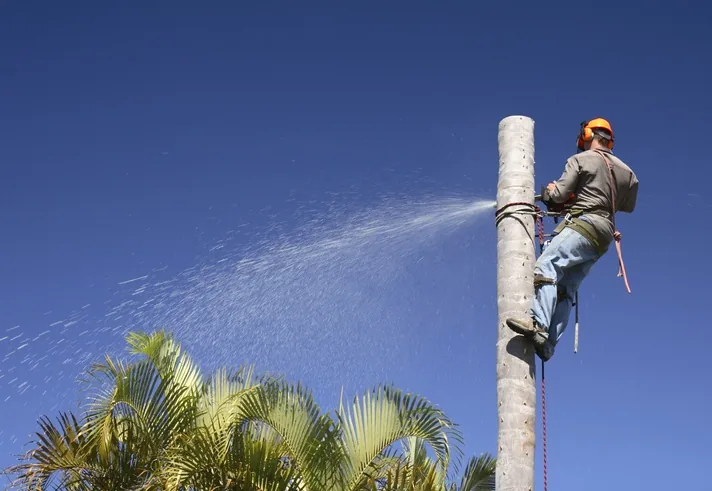
- Norfolk Island pines. Tall, straight and common near the coast. Removing one in a built-up street is a sectional climb, never a single fell.
- Palms. Washingtonia and date palms with dead fronds and heavy seed stalks, plus cocos palms that drop fruit on paving.
- Deciduous exotics. Cape lilac, liquidambar, jacaranda and London plane. Mostly pruning for clearance, light and gutters.
How a job usually runs
- You tell us about the tree. Call or use the form. A photo helps, and so does noting anything near it: the house, a fence, the power line to the house, a pool or a neighbour's shed.
- Someone looks at it on site. The arborist checks the species and condition, the access for gear, where the wood can land or be lowered, and what is underground if a stump is coming out.
- You get a written quote. It says what is being cut, how far, whether the stump is ground and to what depth, and whether the wood and mulch leave the block.
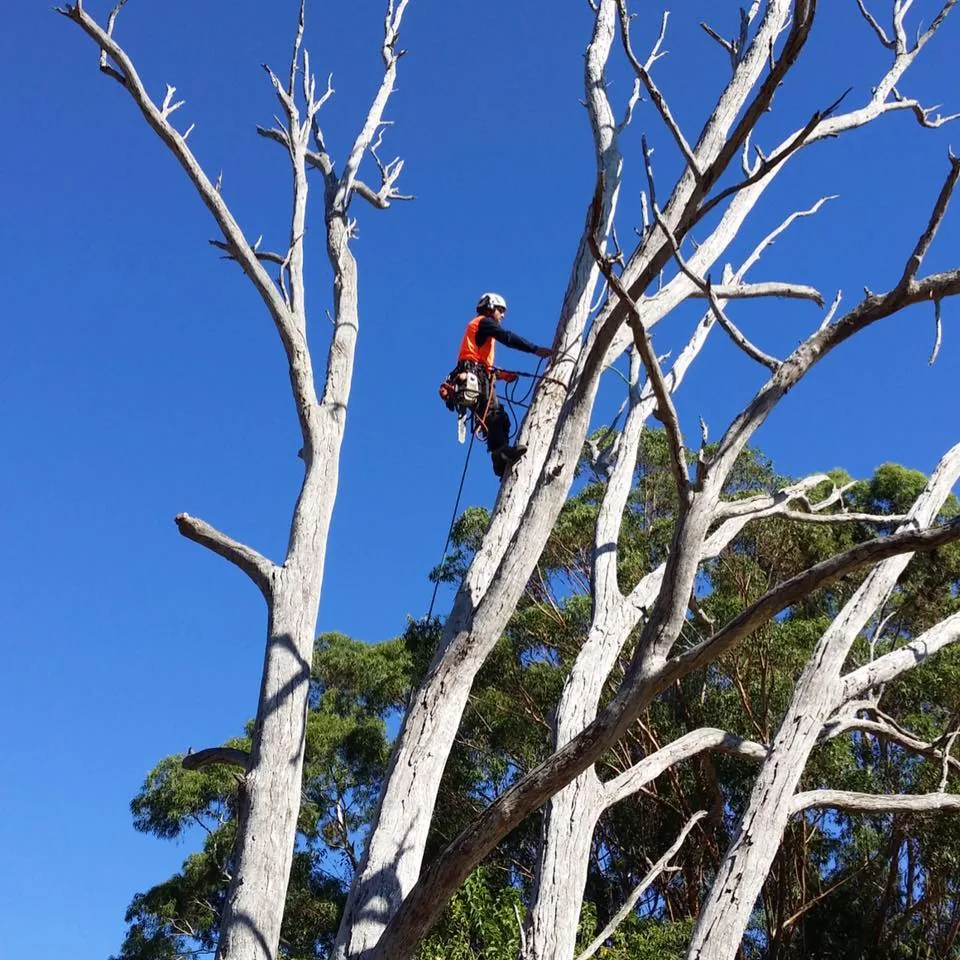
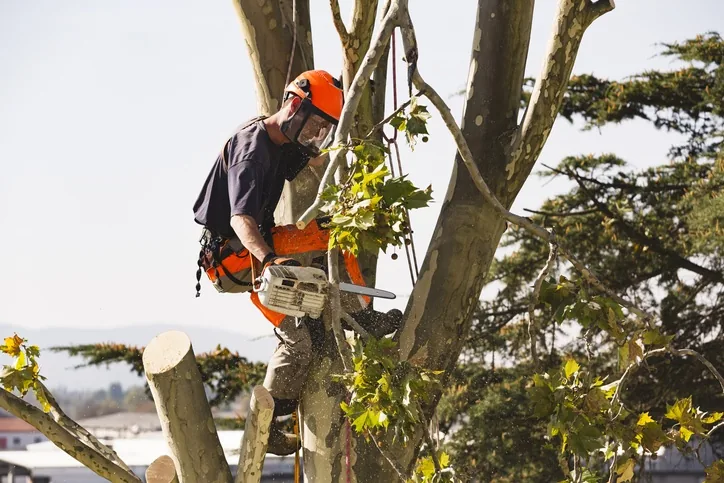
- The work is booked. Most jobs take a few hours to a day. Big removals near buildings are taken down in sections with ropes.
- The block is cleaned up. Chipped, raked and blown down. You check it before anyone leaves.
The how it works page goes through each step in more detail, including what to do before the crew arrives.
Removal, lopping or pruning?
These words get used loosely, so it helps to be clear about what you are asking for.
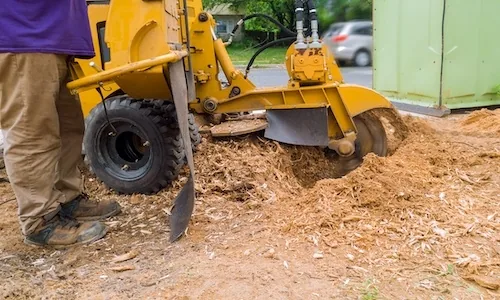
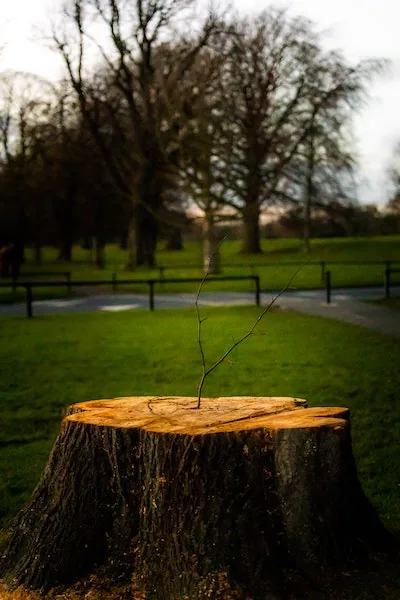
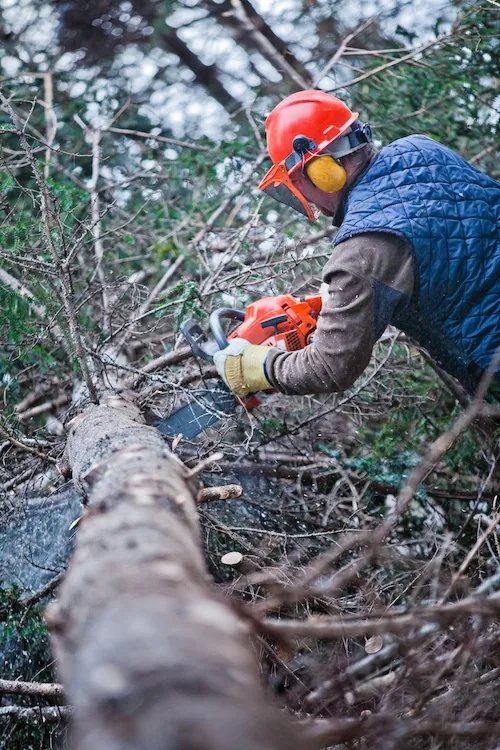
Removal takes the whole tree down, usually leaving a stump at ground level unless you also want it ground out. It is the right call for dead, dying, split or badly leaning trees, trees undermining a structure, or a tree that is simply in the wrong place. See tree removal.
Lopping reduces the size of a tree. Done properly, branches are cut back to a suitable fork or growth point. Done badly, the tree is topped to stubs and grows back faster, weaker and bushier than before. See tree lopping.
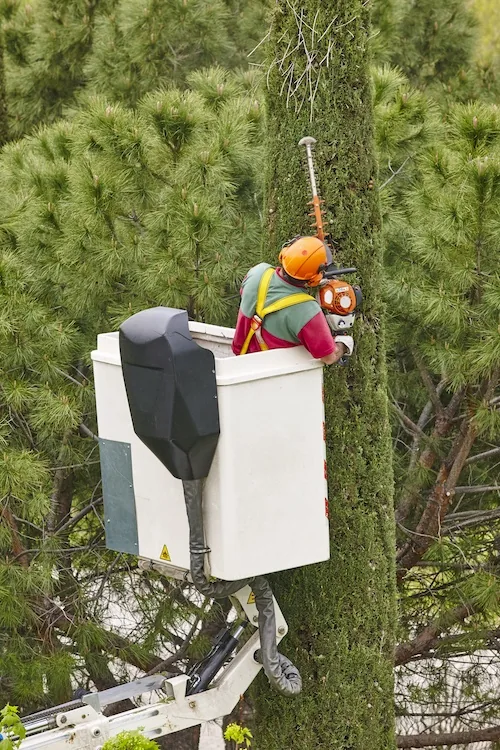
Pruning is selective: dead wood out, crossing and rubbing branches removed, the canopy thinned so wind passes through, and clearance over roofs, driveways and paths. See tree pruning.
If you are not sure which you need, describe the problem instead. "It drops limbs on the carport" or "it blocks all the winter sun" gives the arborist more to work with than a label.
Things worth checking before you book
Council rules. Each council sets its own rules and they are changing. The City of Cockburn has required development approval to remove or heavily lop most mature trees over 8 metres on private land since May 2026, and other councils are consulting on similar policies. Heritage-listed places and trees on a significant tree register can also need approval. Verge trees belong to the council and residents are generally not allowed to prune or remove them. Our guide to cutting down a tree in Perth covers what to look for.
Power lines. Keeping trees clear of the service wire from the pole to your house is the occupant's responsibility, not Western Power's, and work near live lines must follow the EnergySafety code for vegetation work. Mention any wires near the tree when you ask for a quote.
Neighbours. If the tree is on the boundary or the problem branches come from next door, read neighbour tree disputes in WA before anyone cuts anything.
Shot-hole borer. The whole Perth metro is a quarantine area for the polyphagous shot-hole borer, and there are rules on moving wood and green waste. See our shot-hole borer guide.
What it costs
Tree work is priced on the job in front of the arborist, not per tree, so the same species can cost very different amounts in two backyards. Height, trunk size, access, what is underneath, and whether the stump and all the green waste go too are what move the number. The tree removal cost guide sets out 2026 planning bands for removals, pruning, stump grinding and palms, so you can sanity-check a quote before you accept it.